
NOTICIAS

51ST EUROPEAN ENVIRONMENTAL MUTAGENESIS AND GENOMICS SOCIETY (EEMGS) & 27TH SPANISH ENVIRONMENTAL MUTAGENESIS AND GENOMICS SOCIETY (SEMA) MEETING
BACK TO THE SUNNY SEASHORE OF GENOTOXICOLOGY: A DIVE INTO NEW DEVELOPMENTS AND APPLICATIONS
Málaga (Spain) from May 15th to 18th, 2023.
The Spanish Environmental Mutagenesis and Genomics Society (SEMA) invites you to participate in the 51st congress of the European Environmental Mutagenesis and Genomics Society (EEMGS), that will take place with our 27th Scientific Meeting. The congress will be entitled «Back to the sunny seashore of genotoxicology: a dive into new developments and applications» and held in our beautiful city of Málaga (Spain) from May 15th to 18th, 2023. The EEMGS/SEMA 2023 congress will be accompanied by a satellite workshop organised by HESI and focused on «Quantitative Interpretation of Genetic Toxicity Dose-response Data for Risk Assessment and Reg Decision-making«, that will take place on May 15th, just before the beginning of the congress. After the many difficulties generated by the COVID-19 pandemic, the scientific committee is working hard to meet the challenge of returning to the normality of face-to-face meetings and the richness of direct contact with scientists of multiple nationalities. We are designing what we hope will be a very attractive scientific programme, both for academia and industry, that includes recent findings and current advances in mutagenesis and environmental genomics with a special dedication to applied and regulatory genotoxicity testing. Join us in Málaga for a memorable and inspiring congress!


La huella epigenética, así heredamos de las abuelas cómo sus genes actuaron frente al entorno
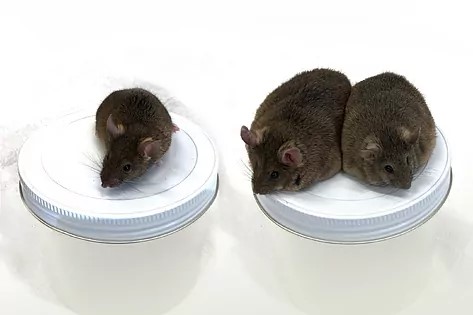
Un estudio del científico español Juan Carlos Izpisúa postula que los cambios epigenéticos, que se pueden adquirir como una adaptación al entorno, se trasmiten entre mamíferos a la descendencia de forma estable.
Agradecemos al ADN los ojos azules de nuestra abuela, pero, con el permiso de Mendel, los científicos saben desde hace tiempo que los genes heredados no explican por sí solos toda la complejidad que nos caracteriza como individuos. Es sabido que la influencia de factores externos, por ejemplo, el tipo de dieta o el consumo de tabaco, puede afectar a la expresión del ADN genómico sin alterar su secuencia, a través de cambios epigenéticos… Más
Impact of epigenetics on the clinical management of cancer patients
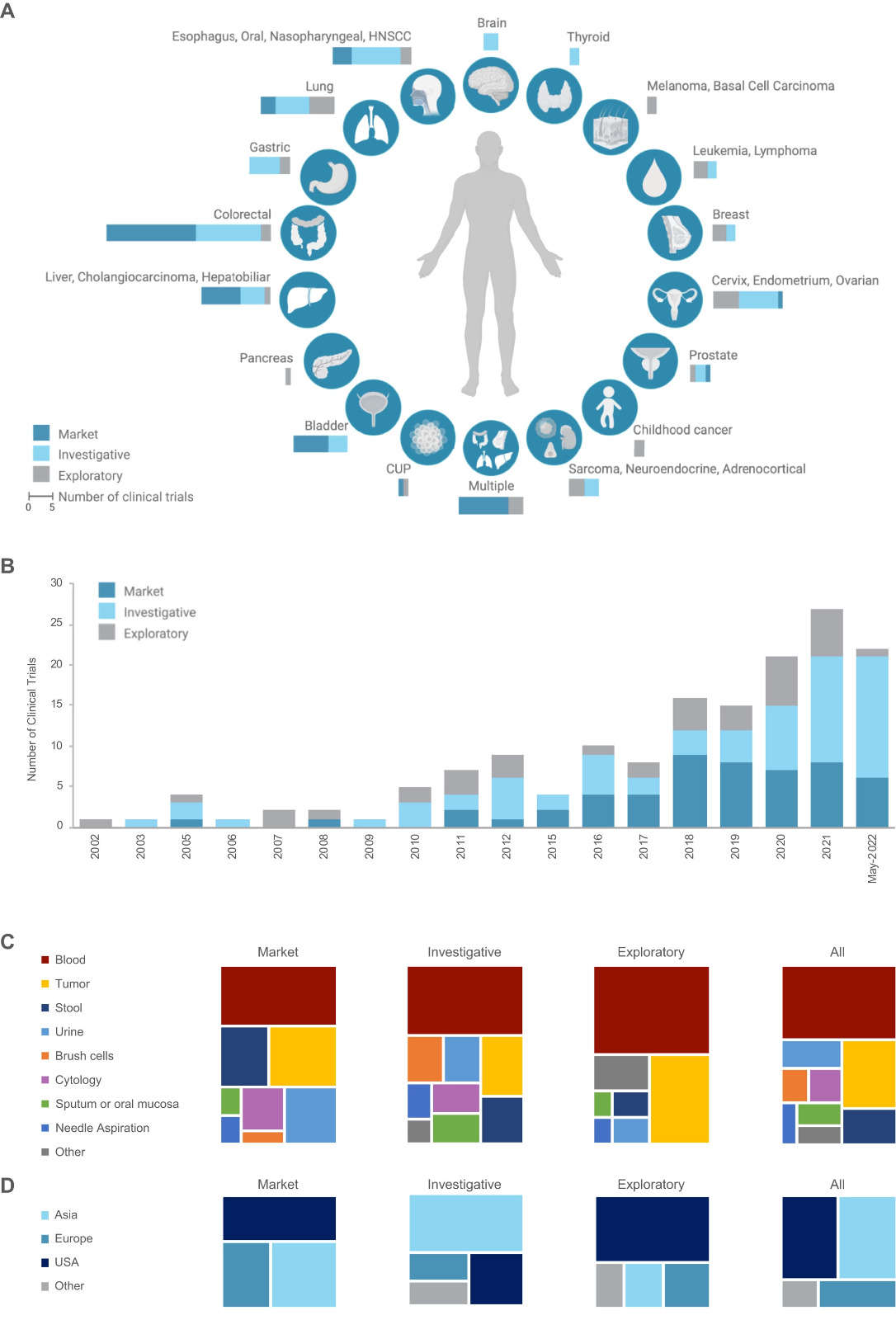
Dr. Manel Esteller and Dr. Verónica Dávalos, researchers at the Josep Carreras Leukaemia Research Institute, describe in a new article the impact of epigenetics on cancer treatment and how it has become a crucial tool to improve early detection, predict disease progression and become a target for new treatments.
In the early 1980s, the first changes in DNA related to a chemical modification called methylation were discovered, followed by the discovery in the mid-1990s of the first tumor suppressor genes inactivated by these modifications of the genetic material.
The early 2000s saw the first use of these altered marks as a biomarker of cancer disease, as well as the first uses of drugs against them. In parallel, the first chemical modifications were detected in proteins called histones, where DNA wraps around them like a pearl necklace. All this «decoration» of DNA and its regulatory proteins define the field of Epigenetics.
Now, on an article published in the journal «CA: A Cancer Journal for Clinicians«, Dr. Manel Esteller, Director of the Josep Carreras Leukaemia Research Institute (IJC), ICREA Research Professor and Professor of Genetics at the University of Barcelona, and researcher Dr. Verónica Dávalos explain its impact on the clinical management of cancer patients. This journal is also the organ of expression of the American Cancer Society (ACS) and the scientific journal with the highest Impact Factor according to the Clarivate ranking… Más

Clinical Epigenetics International Conference – CLEPIC 2023
Szczecin, Poland, May 24 – 26, 2023
Scientists need to meet to stay up-to-date within and beyond one’s own research field, to exchange and fuel new ideas, to keep inspired and to inspire others.

Tests in mice show that it is possible to switch off a gene in liver cells for at least 220 days, which should lower cholesterol and cut the risk of heart disease

CRISPR gene editing has been used to repair a genetic form of intellectual disability in human brain cells in a dish. If the same technique can be done in the brain, it may help treat a..

Nicotine exposure has negative effects that echo down the generations – in mice, at least. Male mice exposed to nicotine had offspring with signs of a mouse…

Hypersexual disorder may stem from a problem in the way individuals regulate the hormone oxytocin. The discovery could open the door to new treatments.